Office Hours: Mon.–Fri. 7:30 a.m.–4 p.m.

Image
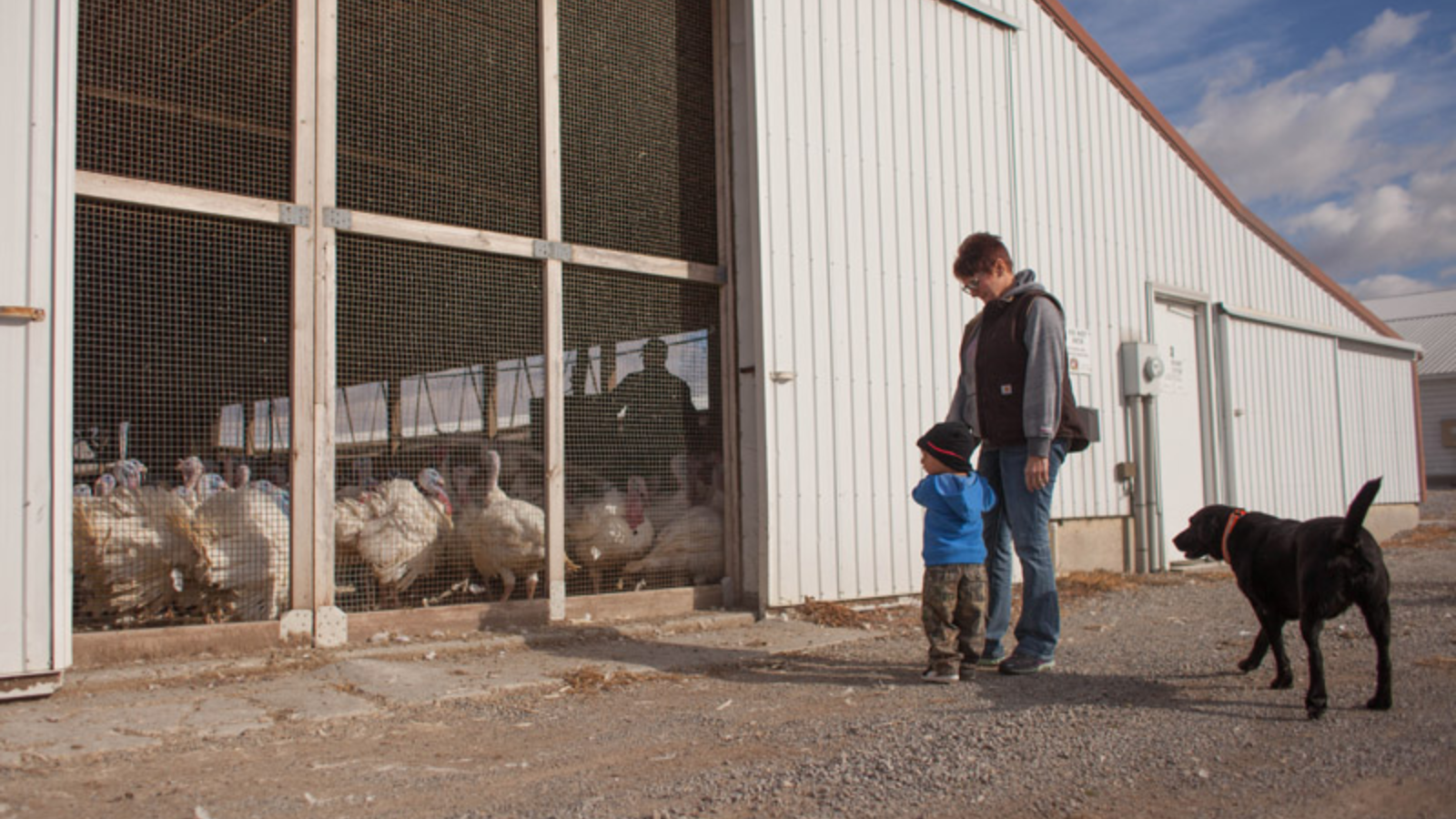
As a community partner, your electric cooperative is committed to safety. We serve poultry farms, and many of our members raise poultry, like chickens, as well. With the steep rise in Avian Influenza this year, we are assisting with education efforts to help reduce the spread of this devastating virus.
In this article is important information about what bird flu is, who is at risk, and what you can do to help stop the spread.
What is High Path Avian Influenza (HPAI):
High Path Avian Influenza, a virus commonly known as bird flu, is a highly contagious virus that can infect all types of birds and be especially devastating to domestic poultry (turkey and chicken).
How it spreads:
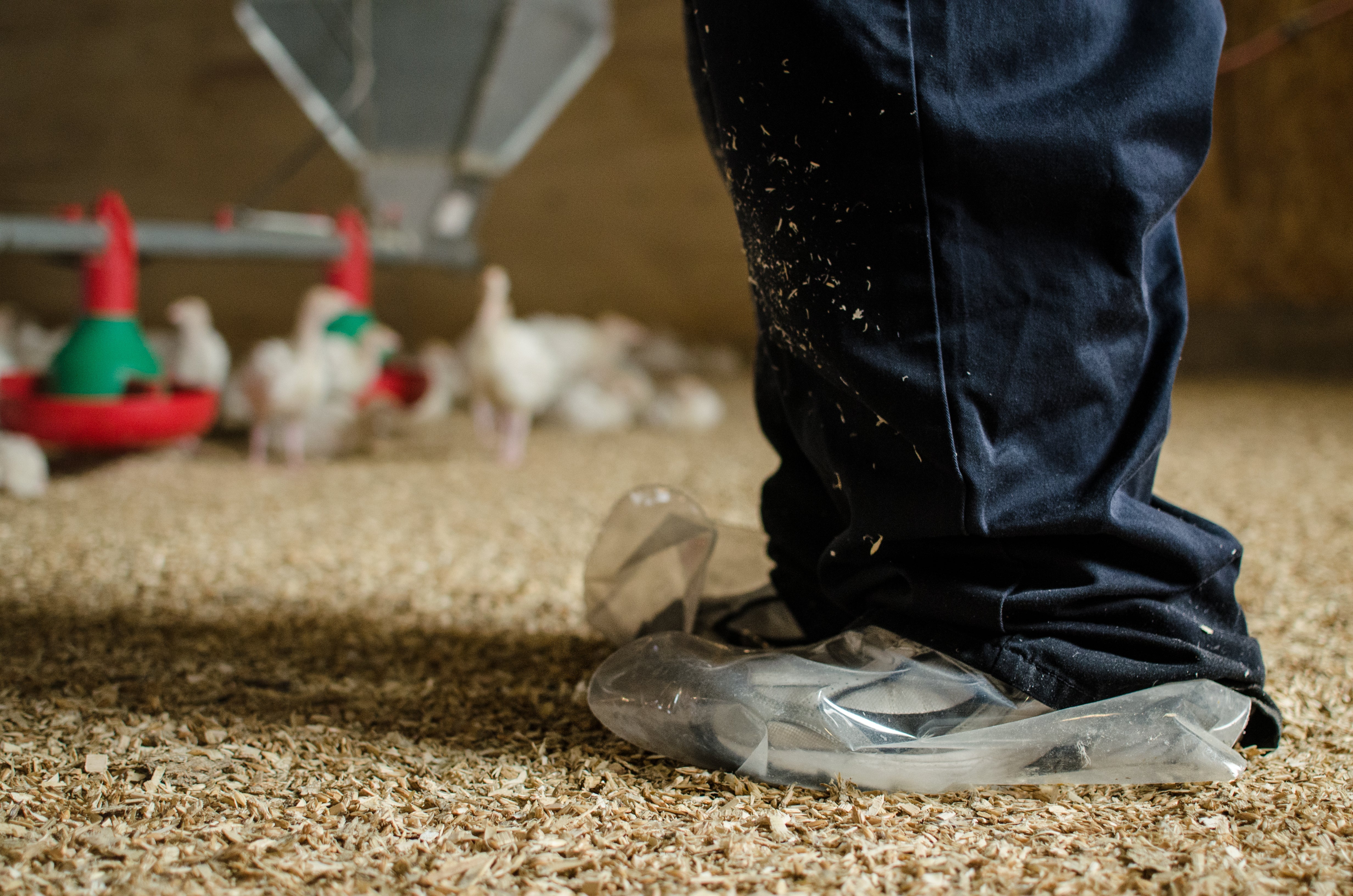
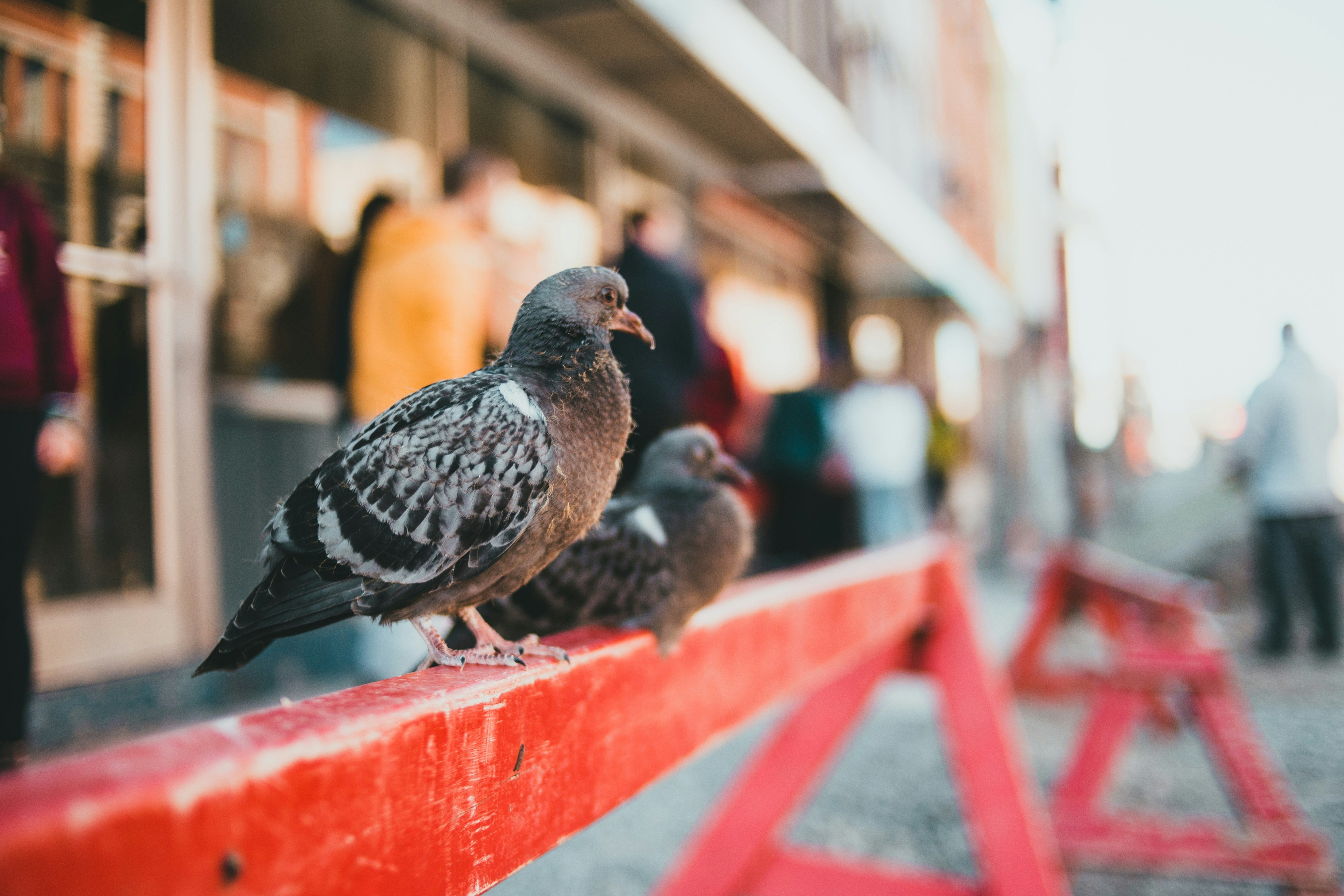
The virus is carried by waterfowl, such as ducks and geese. These birds generally do not become ill from the virus. Domestic poultry may be exposed to the virus through contaminated materials or boots, as well as direct contact with feces or other infected birds. Bird flu can infect backyard flocks. The best way to protect birds from the virus is to practice good biosecurity and keep them in a covered fenced-in area.
Image