Office Hours: Mon.–Fri. 7:30 a.m.–4 p.m.

Image
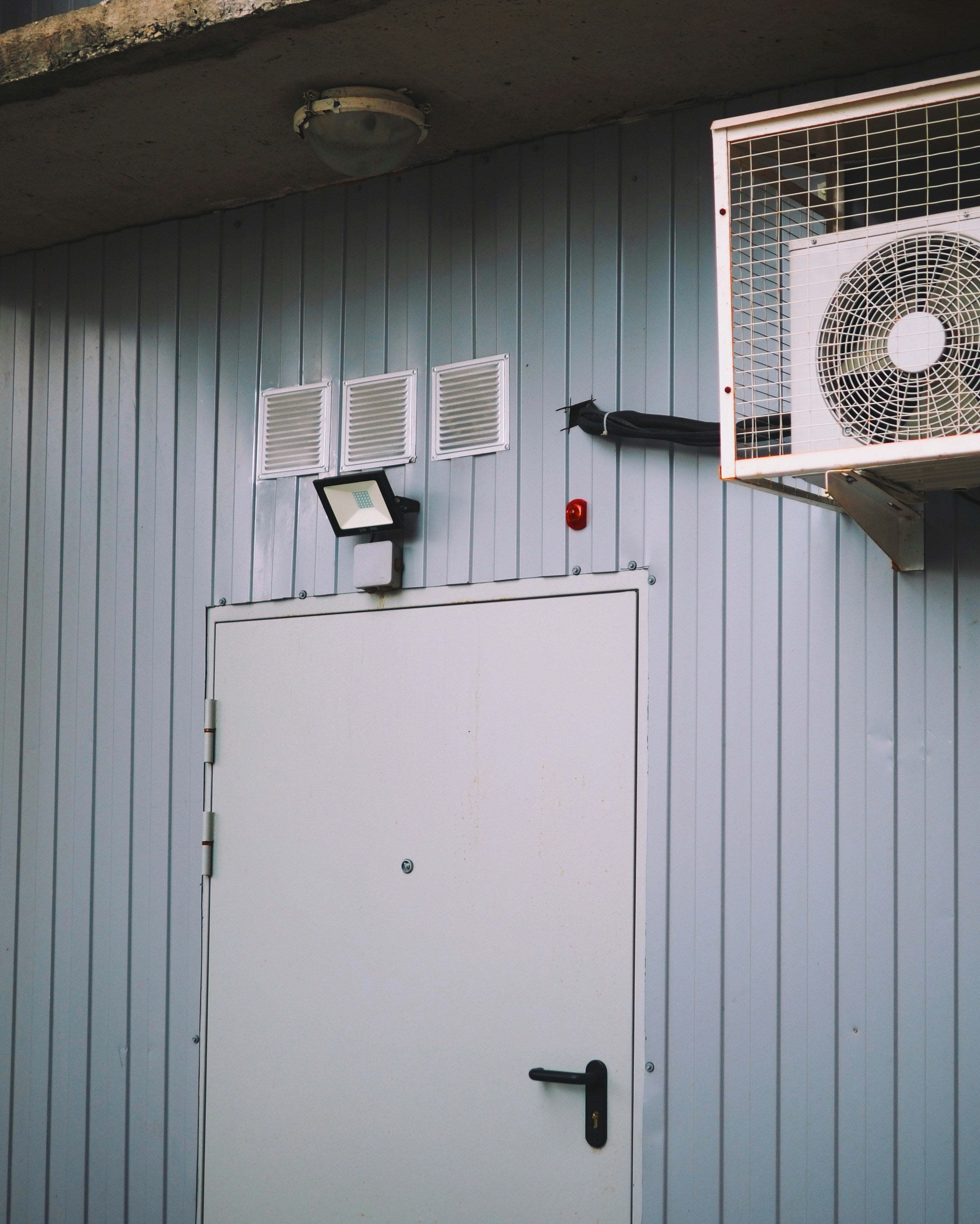
Air-source heat pumps are being touted as the next big thing in sustainable space conditioning, and with their many benefits, it's easy to see why. Here are just a few of the advantages that air-source heat pumps have compared to conventional heating and cooling:
- More efficient. Air-source heat pumps heating and cooling efficiencies of up to 300% or more.
- Quieter operation. Air-source heat pumps produce less noise than conventional HVAC systems.
- Safer. Heat pumps use electricity, eliminating potentially hazardous emissions from furnace fuels.
Despite these benefits, many are concerned that air-source heat pump performance is not so hot at very cold temperatures. The truth is that air-source heat pumps can provide effective space heating in winter, but their performance does drop as the outdoor temperature decreases. What does that mean for you? We'll sort it all out.
Image
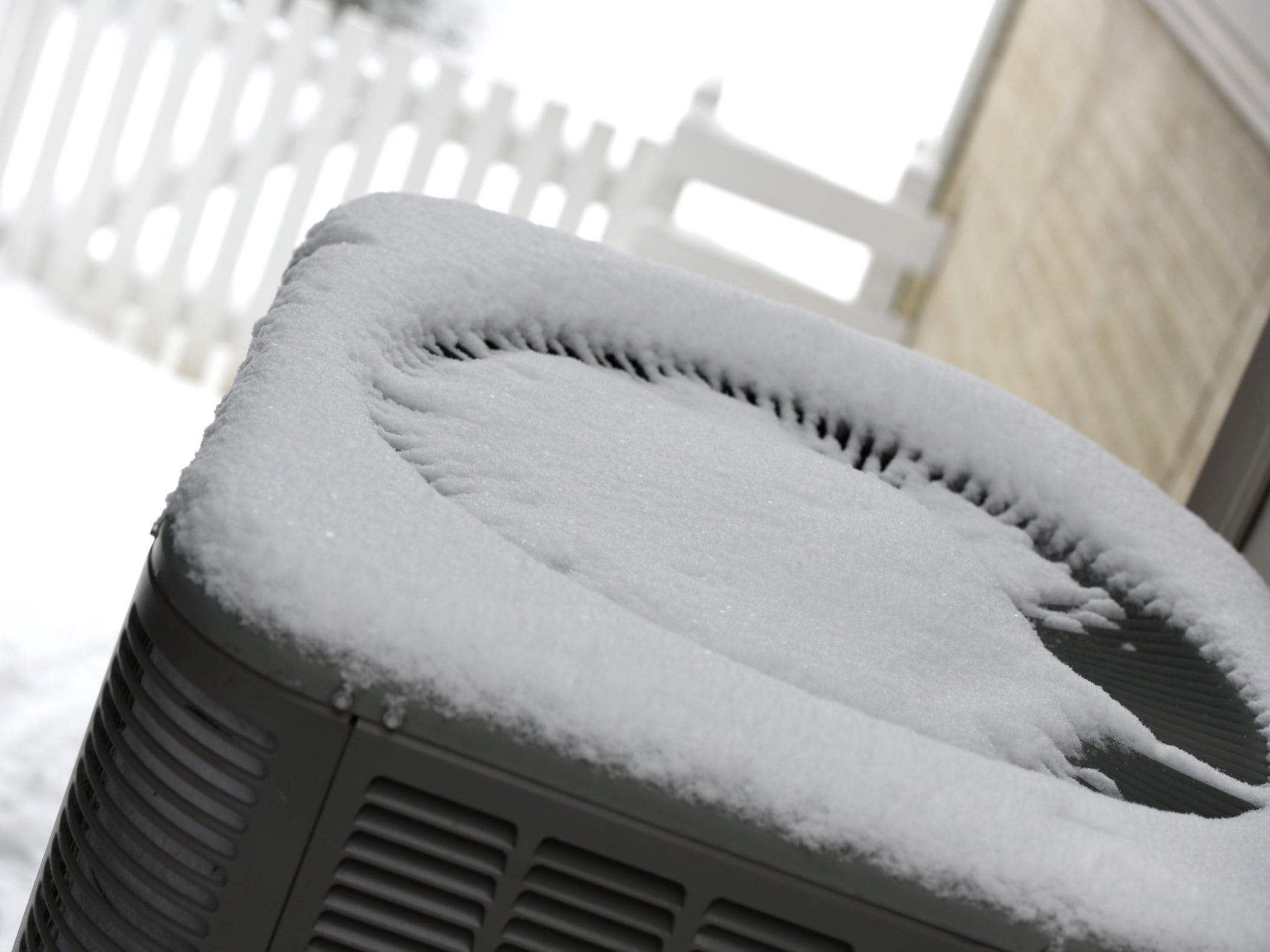
How air-source heat pumps work
In winter, heat pumps move heat from the cold outdoors to the warmer indoor space. How does cold air provide heat? Hot and cold are relative terms. All outside air down to absolute zero degrees (-460°F) contains some heat. An air-source heat pump extracts some heat and moves it indoors to provide space heating. In summer, this process is reversed to provide space cooling.
How are heat pumps more than 100% efficient? They move heat rather than create, like a conventional furnace. Even the most efficient furnace loses some heat in the combustion process.